




How are solar panels mounted on a roof?
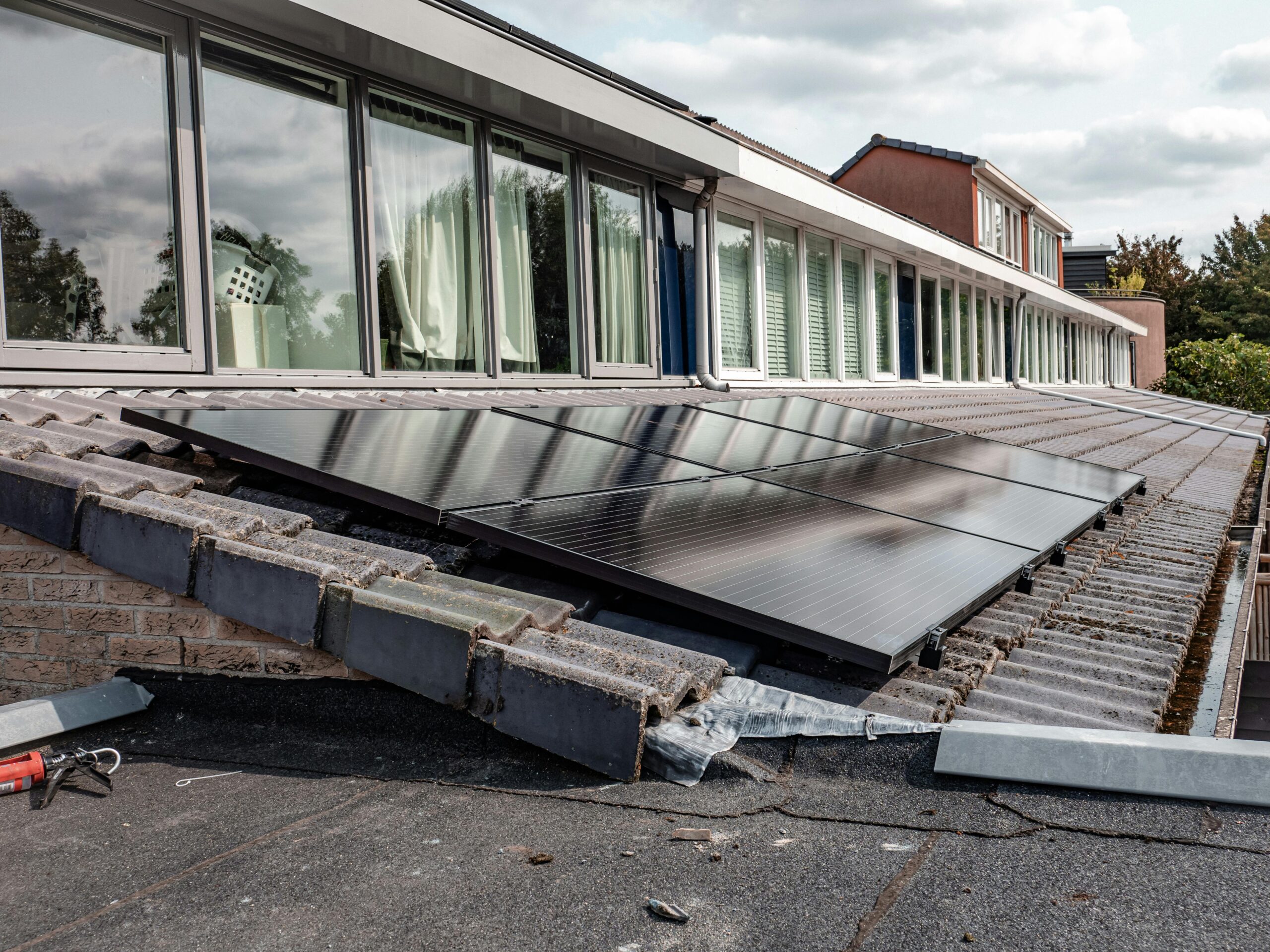
Mounting solar panels on a roof is one of the most preferred installation types for those who want to install solar panels. This mounting method, which is particularly advantageous in terms of not taking up extra space and efficiency, is actively used in many parts of the world. The installation of solar panels on the roof is carried out with the help of rails, brackets, and clamps, which vary depending on the type of roof. With the use of appropriate equipment, the installation process on the roof does not cause any problems. So, what are the details we need to know before installation, and what should we pay attention to regarding rails, brackets, and clamps?
How are solar panels mounted on a roof?
During the installation of solar panels on the roof, a roof analysis must first be performed. The roof’s load-bearing capacity must be sufficient to support the system to be installed without any problems. One of the most common mistakes made before installing solar panels on a roof is not cleaning the roof sufficiently. This leads to the installation not being sufficiently secure and different problems arising over time. Roof cleaning and analysis should be carried out by professionals before installation.
If your roof is strong enough to support the weight, solar panels will be installed on the south-facing part of your roof at an angle of 30-35 degrees. One of the most common mistakes made during the installation of these panels is damaging the roof’s waterproofing. In such a case, if you damage the waterproofing of the roof, you may experience material damage to your home in the event of rain.
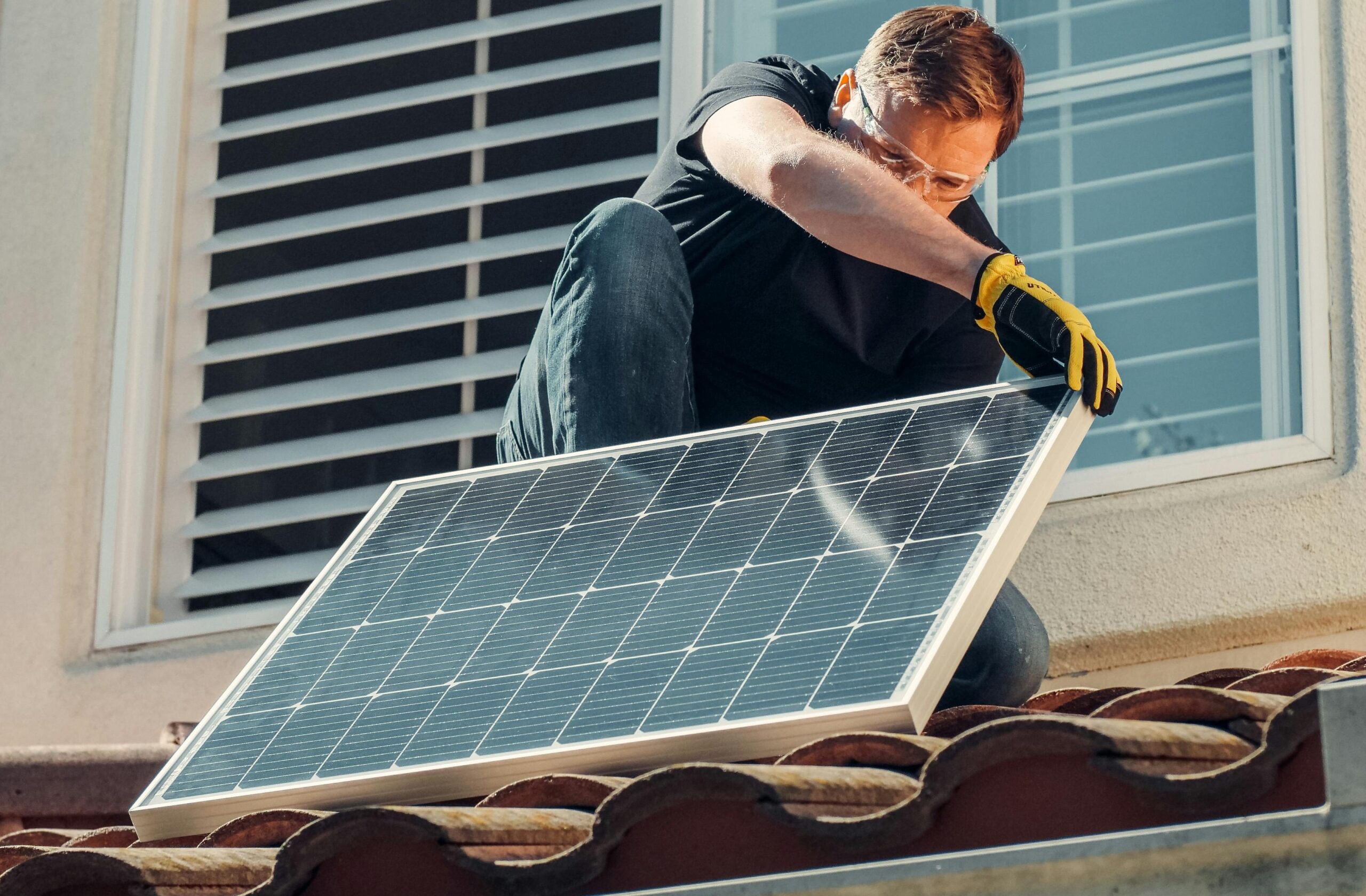
The panels should be mounted appropriately to the roof structure using L-brackets or hooks without compromising the waterproofing. The use of L-brackets or hooks varies depending on the type and shape of the roof. Therefore, there is no single mounting design that can be applied at this point. In addition, stainless steel screws should be preferred during installation on the roof. On tiles, solar panels should be mounted to the roof using hooks on wooden battens. Installation on different roofs is aligned with a laser spirit level, ensuring the most accurate efficiency and appearance.
What Materials Are Required for Solar Panel Installation?
Aluminum rails, L-brackets, stainless steel screws, MC4 connectors, and a torque wrench are required for installation. Roof hooks are preferred for tile roofs, while parapet mounting feet are preferred for flat roofs.
Properly installed solar panels provide your roof with 25-30 years of energy production. This results in a 15-20% annual savings on your electricity bill and an 80% reduction in carbon emissions. By reviewing our previously prepared content, “Can I connect a 100W solar panel to a 200W solar panel?”, you can easily learn how to add a 200W panel to the 100W solar panel already in your system.






Yorum gönder